Loading...
Serving Inglewood, CA and surrounding areas. (424) 414-1258
Menu
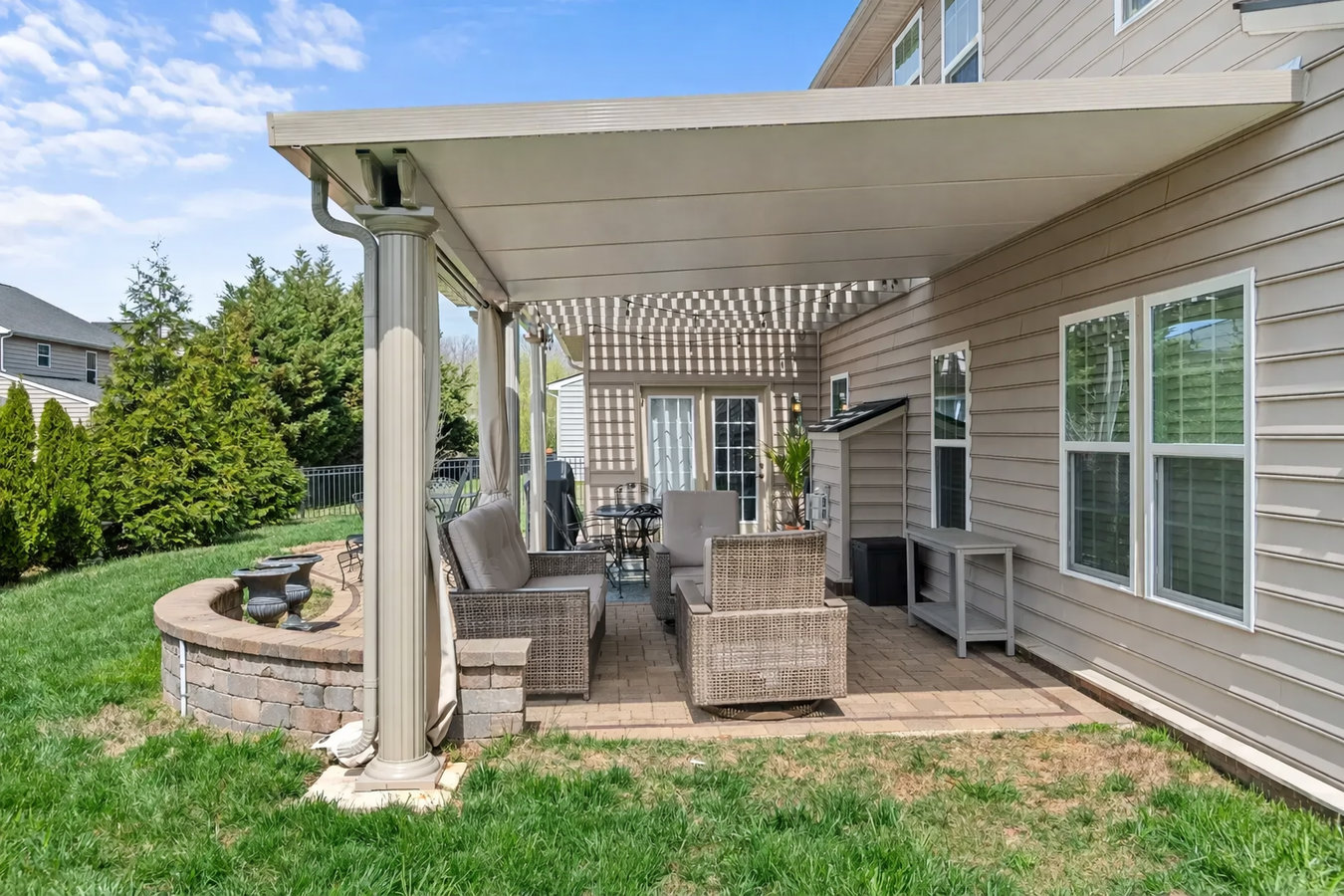
RoomCraft Inglewood Sunrooms & Patios is the sunroom contractor Santa Monica homeowners call for patio cover installations, sunroom additions, and patio enclosures - fully permitted work by a crew that knows the city's pre-war bungalows, small lots, salt-air framing requirements, and the Pacific coastal conditions that determine what materials actually hold up here long-term. We reply within one business day and put every estimate in writing before any commitment is made.
Santa Monica's outdoor season is nearly year-round, but the morning marine layer and the occasional winter downpour make a covered patio far more useful than an open one. Our patio cover installation work is specified for the coastal environment - salt-air-resistant framing, sealed connections where the cover attaches to the existing structure, and materials that hold up to Pacific moisture without annual maintenance. We pull permits through Santa Monica's Building and Safety Division for all attached structures.
Santa Monica lots are small - most single-family homes sit on 5,000 to 7,500 square feet - which means a sunroom addition needs to be designed carefully to use the available rear yard without consuming all of it. We design around the specific structure and lot, working within the city's setback requirements and connecting properly to bungalow-era and mid-century framing that requires different attachment methods than modern construction.
An enclosed patio gives Santa Monica homeowners a weatherproofed room without extending the footprint of the house into the remaining yard - often the most practical option on a tight lot. Enclosing an existing covered patio costs less than a ground-up addition and works particularly well on the bungalows and Spanish Colonial Revival homes in Ocean Park and Sunset Park that often have a partially covered rear area waiting to be finished.
Santa Monica's Mediterranean climate - mild winters, warm dry summers, and consistent coastal breezes - makes it one of the best environments in Southern California for a four season sunroom that is usable without heating or cooling for most of the year. The critical variable is glazing: low-e double-pane glass keeps the marine layer humidity from condensating on interior surfaces and handles the afternoon solar gain that open-glass rooms struggle with in west-facing orientations.
Standard aluminum framing and painted wood degrade faster near the Pacific than most homeowners expect - salt air works into painted surfaces, around sealed joints, and onto metal fasteners year-round in Santa Monica. Vinyl framing eliminates that maintenance cycle entirely: it does not corrode, does not need repainting, and holds dimensional stability through the daily wet-dry cycle of morning marine layer followed by afternoon sun that is the normal Santa Monica weather pattern.
Santa Monica evenings are among the most comfortable in the Los Angeles area - the ocean breeze keeps temperatures pleasant well into summer nights. A screened outdoor room captures that evening air and extends the usable hours of a rear patio without the cost and permit complexity of a fully enclosed addition. For homes with small lots where a full room addition would feel crowded, a screen room is often the right-sized solution.
Santa Monica sits directly on the Pacific, and the salt air that comes with that location is not a concern reserved for homes on the beachfront. Properties throughout the city - including blocks inland near Montana Avenue, Sunset Park, and Mid-City - are within the active coastal corrosion zone for construction materials. Standard aluminum frames, painted wood trim, and exposed steel fasteners degrade faster here than in Torrance or Inglewood, and a sunroom or patio cover built with inland-spec materials will show problems within a few years of installation. Getting the framing material and fastener spec right from the beginning is not optional for coastal work.
Santa Monica also has a large share of pre-1960 housing - bungalows and Spanish Colonial Revival homes built in the 1920s through 1940s - that require specific handling when attaching a new structure to the existing building. These homes were not built to current California building code, and attaching a sunroom or patio cover to an original 1930s bungalow roof or wall requires engineering judgment about the existing framing that a general contractor without specific experience in older coastal homes may not be prepared to provide. The Santa Monica Planning and Community Development Department reviews residential addition permits carefully, and submittals that do not address the existing structure adequately receive corrections that add weeks to the timeline.
Our crew works throughout Santa Monica regularly, and we pull permits through the Santa Monica Building and Safety Division for residential addition and patio cover projects in the city. Santa Monica's plan check reviewers expect specific documentation for coastal construction - salt-air-rated materials, proper corrosion protection specs, and Title 24 energy compliance for enclosed structures. We know what that submittal needs to include to move through review without corrections.
Santa Monica covers just 8.3 square miles but has distinct neighborhoods that each present their own field conditions. The beachfront area near the Santa Monica Pier and Palisades Park is the densest part of the city - lots are small, street parking is limited on busy days, and material staging requires planning. Ocean Park in the south and Sunset Park to the east of the freeway have more residential character and a higher concentration of the 1920s-1940s bungalows that make up a significant portion of Santa Monica's housing stock. The Montana Avenue corridor to the north of Wilshire Boulevard has a mix of older homes and updated properties. Lincoln Boulevard and Santa Monica Boulevard are the main north-south and east-west routes we use to navigate between neighborhoods.
We serve the surrounding West Side and South Bay communities as well. Homeowners in Inglewood and Culver City are a short drive east of Santa Monica and share many of the same project characteristics - older housing stock, small to mid-sized yards, and homeowners who want permitted work that adds lasting value to their properties.
Reach us by phone or through the contact form and we will respond within one business day. We collect basic details about the project - what you have, what you want, and an approximate size - before scheduling a site visit.
We visit the property, measure the project area, inspect the existing structure for attachment points, and note any conditions - including access constraints common on Santa Monica's small lots - that affect scope or cost. You receive a written estimate with fixed pricing before anything is signed.
We prepare and submit the permit application to the Santa Monica Building and Safety Division, including structural drawings, coastal framing specifications, and Title 24 energy documentation as required. We manage the plan check process and keep you updated on status until the permit is approved.
Construction takes two to four weeks once permits are in hand. We schedule required city inspections and do a final walkthrough with you at completion - we do not consider the job closed until you have confirmed everything is right and the city has issued final approval.
We serve Santa Monica and the surrounding West Side and South Bay communities. Call us or fill out the form and we will respond within one business day with a clear, written estimate.
(424) 414-1258Santa Monica is a coastal city of about 91,000 people covering just 8.3 square miles at the western edge of the Los Angeles Basin, directly on the Pacific Ocean. Despite its small footprint, it has several distinct neighborhoods: the beachfront area around the Santa Monica Pier and Palisades Park, the dense residential streets of Ocean Park in the south, Sunset Park east of the I-10 freeway, and the Montana Avenue corridor to the north. The city is known regionally for the Third Street Promenade, a pedestrian shopping and dining district in the downtown core, and for its year-round beach access. Housing in Santa Monica spans a wide range - from original 1920s bungalows and Spanish Colonial Revival homes in Ocean Park and Mid-City to post-war apartment buildings along Wilshire Boulevard and more recent construction closer to the beach.
The city has a roughly even split between owner-occupied and renter-occupied housing, which is unusual for the Los Angeles area and reflects both Santa Monica's long history of rent stabilization and its appeal to long-term renters and homeowners alike. Homes here carry some of the highest values in Los Angeles County, and the homeowners who have invested in properties here tend to invest in maintaining and improving them. Nearby communities like Culver City to the east and Inglewood to the southeast are both accessible from Santa Monica via the I-405 and surface streets, and homeowners throughout this corridor call on us for the same permitted outdoor room work.
Convert your existing patio into a fully enclosed sunroom space.
Learn MoreTurn your deck into a beautiful, weather-protected sunroom addition.
Learn MoreProtect your outdoor space with a durable, attractive patio cover.
Learn MoreCall us or submit a request and we will respond within one business day with a written estimate for your Santa Monica home.